How to Choose Artwork for Contemporary Spaces
- robin904
- Sep 14, 2025
- 4 min read

Choosing artwork for contemporary spaces can be both exciting and daunting. Art has the power to transform a room, adding personality and depth. However, with so many options available, it can be hard to know where to start. This guide will help you navigate the world of contemporary art, ensuring you make choices that reflect your style and enhance your space.
Contemporary art is diverse and dynamic. It can range from abstract pieces to photography, sculptures, and mixed media. The key is to find artwork that resonates with you and fits the overall aesthetic of your space.
Understand Your Space
Before you start selecting artwork, take a good look at your space. Consider the following:
Size: Measure your walls and consider the scale of the artwork. Large pieces can make a bold statement, while smaller works can create a gallery feel when grouped together.
Color Palette: Look at the colors in your room. Choose artwork that complements or contrasts with your existing decor. For example, if your room has neutral tones, a vibrant piece can add a pop of color.
Lighting: Natural and artificial light can change how artwork looks. Consider how the light in your space will affect the colors and textures of the art.
Define Your Style
Your personal style plays a crucial role in choosing artwork. Here are some styles to consider:
Minimalist: If you prefer clean lines and simplicity, look for artwork that features geometric shapes or monochromatic colors.
Eclectic: For a more varied approach, mix different styles and mediums. This can include combining photography with abstract paintings.
Industrial: If your space has an industrial feel, consider artwork that incorporates metal or wood elements, or pieces that reflect urban life.
Consider the Theme
Think about the theme you want to convey in your space. This could be based on a specific concept, such as nature, urban life, or abstract forms. Here are some ideas:
Nature: Artwork that features landscapes, botanical prints, or animal imagery can bring a sense of calm and connection to the outdoors.
Urban: Cityscapes, street art, or photography of urban life can add an edgy, contemporary feel to your space.
Abstract: Abstract art can evoke emotions and provoke thought. Look for pieces that resonate with you on a personal level.
Mix and Match
Don’t be afraid to mix different styles and mediums. Combining various pieces can create a unique and dynamic look. Here are some tips:
Gallery Wall: Create a gallery wall by grouping smaller pieces together. Use different frame styles and sizes for an eclectic look.
Layering: Layer artwork with other decor elements, such as mirrors or shelves. This adds depth and interest to your space.
Balance: Ensure there is a balance between the artwork and the other elements in the room. Avoid overcrowding a space with too many pieces.
Think About Placement
Where you hang your artwork is just as important as the artwork itself. Consider these placement tips:
Eye Level: Hang artwork at eye level for the best viewing experience. This is typically around 57 to 60 inches from the floor.
Grouping: When grouping pieces, leave some space between them. This allows each piece to stand out while still feeling connected.
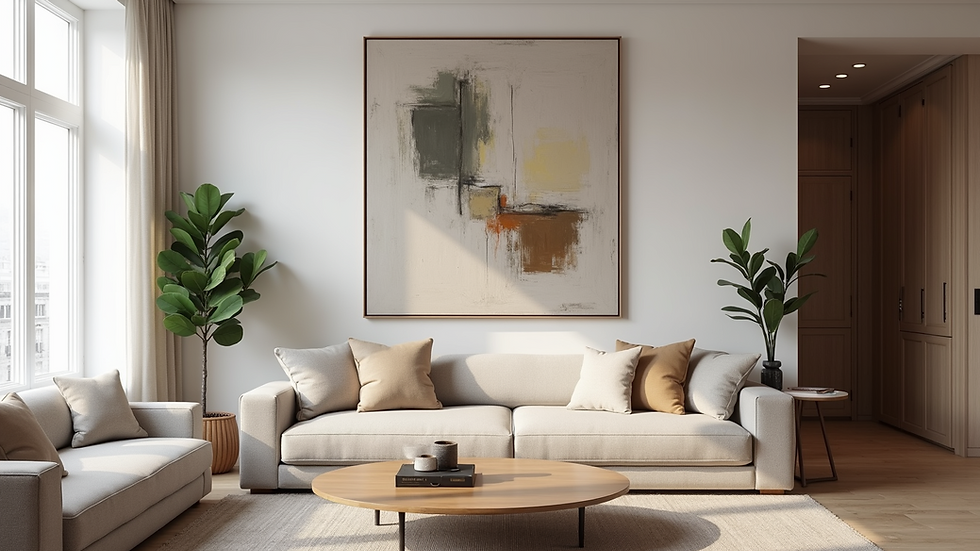
Focal Point: Use artwork to create a focal point in the room. This could be a large piece above a sofa or a striking sculpture in a corner.
Invest in Quality
When choosing artwork, consider investing in quality pieces. Here are some reasons why:
Longevity: Quality artwork is often made with better materials, ensuring it lasts longer.
Value: Original pieces or limited editions can appreciate in value over time.
Impact: High-quality art can have a greater visual impact, enhancing the overall aesthetic of your space.
Explore Local Artists
Supporting local artists can add a unique touch to your home. Here are some benefits:
Originality: Local artists often create one-of-a-kind pieces that reflect the culture and vibe of your area.
Connection: Purchasing from local artists can create a personal connection to the artwork and the community.
Affordability: Local art can sometimes be more affordable than pieces from well-known galleries.
Online vs. In-Person Shopping
Deciding where to shop for artwork can affect your choices. Here are some pros and cons of each:
Online Shopping:
- Pros: A wider selection, convenience, and often better prices.
- Cons: You cannot see the artwork in person, which can affect your decision.
In-Person Shopping:
- Pros: You can see the colors, textures, and scale in real life.
- Cons: Limited selection and potentially higher prices.
Take Your Time
Choosing artwork is a personal journey. Don’t rush the process. Here are some tips to help you take your time:
Visit Galleries: Spend time in galleries and art shows to discover what resonates with you.
Live with It: If possible, try to live with a piece for a while before making a final decision. This can help you determine if it truly fits your space.
Trust Your Instincts: Ultimately, choose pieces that speak to you. Trust your instincts and select artwork that makes you happy.
Final Thoughts
Choosing artwork for contemporary spaces is an opportunity to express your personality and style. By understanding your space, defining your style, and considering the theme, you can make informed choices that enhance your home.
Remember to mix and match, think about placement, and invest in quality pieces. Supporting local artists can also add a unique touch to your collection.
Take your time, explore different options, and trust your instincts. The right artwork can transform your space into a reflection of who you are.


Comments